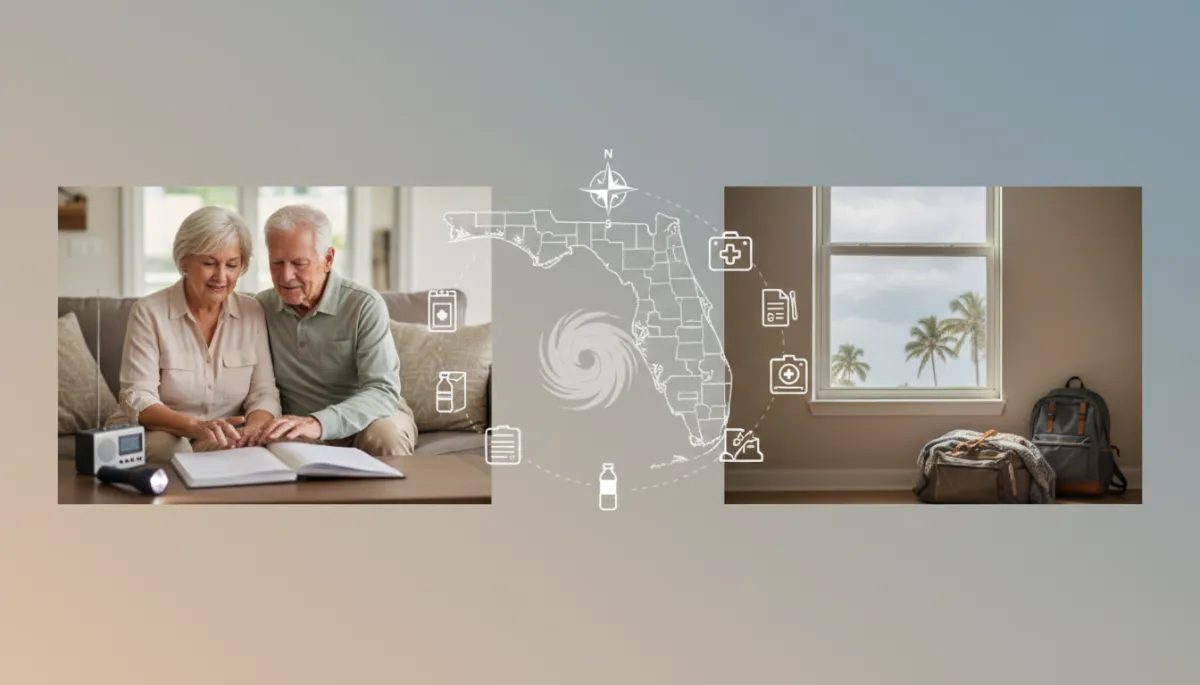
Hurricane Safety for Aging Parents in Florida
Hurricane Preparedness, Elderly Safety, Florida Families
Hurricane Season and Aging Parents: A Preparedness Checklist for Pasco and Pinellas Families
The story usually starts the same way: gray skies over the Gulf, a cone of uncertainty on the evening news, and an adult child staring at the screen, thinking not about their own home, but about Mom and Dad’s. In Pasco and Pinellas County, hurricane season isn’t just a weather pattern; it’s a yearly test of how well we’ve protected the people who once protected us. This guide is a storytelling walk-through of Elderly Safety, Hurricane Preparedness, and a Florida Hurricane Checklist tailored for Senior Care in Pasco and the frequent storms that sweep across Pinellas County, with a special focus on Evacuation Planning for Seniors and hurricane evacuation routes for older adults.
The Call That Changed Hurricane Season
The first time Elena really understood what Elderly Safety meant during hurricane season, it was 10:30 p.m. and the wind was already howling over New Port Richey. Her father, stubborn and proud, called from his manufactured home in Zone A and said, “The last one missed us. I’ll be fine.” But the local alerts told a different story. Pasco County’s evacuation map showed his street glowing red on the screen, and the National Hurricane Center warned that storm surge could reach his front steps.
That sleepless night became the moment she promised herself: next season would be different. She would have a written plan, a packed bag in his closet, and a clear route out before the first tropical storm watch appeared. If you’re reading this, you might be standing in that same doorway, somewhere between worry and action, wondering how to turn love for your aging parents into a practical, step-by-step Hurricane Preparedness plan and senior hurricane safety checklist they’ll actually follow.
Step 1: Start with a Conversation, Not a Lecture
In New Port Richey to Clearwater, storms are almost a rhythm of life. Many older adults have “ridden out” more hurricanes than their children have even seen. That history can make them feel invincible and make Evacuation Planning for Seniors emotionally tricky. Instead of starting with, “You have to evacuate,” begin with a story: “Do you remember Charley? Or Irma? I remember how worried I was for you. Can we walk through a hurricane evacuation plan together so I know you’ll be safe this year?”
The CDC and Ready.gov both emphasize having a written emergency plan, not just a mental one. For older adults, that written plan becomes a script when stress and memory are under pressure. Write it out in large print, keep a copy on the fridge, and another in their go-bag. Include who calls whom, where they’ll go, and what triggers a move, such as a county-issued evacuation order or a Hurricane Warning. This simple sheet of paper is the backbone of Elderly Safety during Florida’s storm season and a cornerstone of any Florida hurricane preparedness checklist for seniors.
📌 Planning Tool: To turn these conversations into a clear, written family disaster plan, you can use the official Ready.gov form (Ready.gov Make a Plan). Visit https://www.ready.gov/plan-form and fill it out together with your aging parents so everyone has the same step-by-step script before hurricane season.
Step 2: A Florida Hurricane Checklist Built for Aging Parents
A standard Florida Hurricane Checklist calls for three days of food and water, flashlights, batteries, and a first aid kit, as outlined by the Florida Division of Emergency Management and Ready.gov. But when you’re caring for seniors in Pasco or navigating Pinellas County storms, you’re not packing for “standard.” You’re packing for arthritis, heart conditions, hearing aids, and the anxiety that comes with leaving home behind, even temporarily, which is why a specialized hurricane preparedness checklist for elderly parents matters so much.
Medications: At least a 7-day supply, plus a written list of prescriptions, doctors, and pharmacies. Many Florida guides now recommend this longer window for older adults, knowing pharmacies may be closed after landfall.
Medical devices: Extra batteries for hearing aids, chargers for mobility scooters, backup glasses, and any special supplies like oxygen tubing or incontinence products, as highlighted in recent senior-focused hurricane handbooks and emergency preparedness guides for seniors.
Comfort items: A familiar blanket, a small photo album, a favorite snack. These are not luxuries; they are anchors when everything else feels uncertain during hurricane evacuations for elderly loved ones.
Important documents: Copies of IDs, Medicare cards, insurance policies, and a list of emergency contacts stored in a waterproof pouch, as recommended by the National Hurricane Center and most senior hurricane preparedness checklists.
💡 Story-Based Pro Tip: Pack the bag together on a calm, sunny day. Turn it into a shared project, “our safety kit,” so it feels like empowerment, not an admission of frailty.
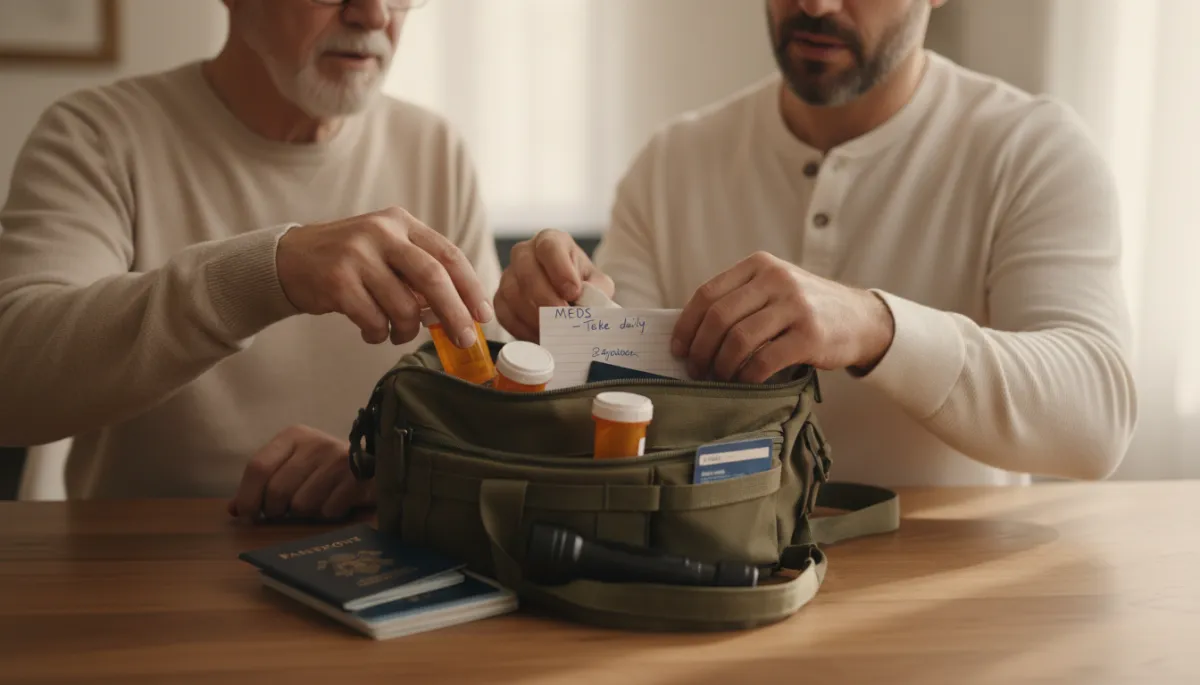
Packing a senior-focused go-bag early turns panic into a calm, practiced hurricane safety routine.
Step 3: Senior Care in Pasco – Knowing the Zone, Knowing the Plan
In Pasco County, Senior Care isn’t just about doctor visits and meal deliveries. It’s also about knowing exactly which evacuation zone your parents live in and what that means when a storm spins into the Gulf. Pasco divides neighborhoods into Zones A through E, with Zone A at the highest risk of storm surge. The county’s online Evacuation Zone Finder lets you type in your parents’ address and see, in seconds, what kind of threat their street faces in a major hurricane, according to the county’s Local Mitigation Strategy (Pasco County LMS, 2024).
For families, that map is more than a graphic; it’s a decision-making tool for hurricane planning for seniors. If Mom is in a mobile home in Zone A, the rule is simple: she evacuates for any serious storm, even if the track wobbles. If Dad is in a sturdier home in Zone D or E, the conversation might focus more on backup power, safe rooms, and post-storm supplies. Either way, the story you tell is the same: “We’re not waiting for last-minute orders. We’re leaving early, before the roads are crowded, because your safety matters more than anything else.”
Step 4: Pinellas County Storms – When the Bus Becomes a Lifeline
Across the bay in Pinellas County, the story of hurricane season often begins with a bus. When evacuation orders go out, the Pinellas Suncoast Transit Authority (PSTA) offers free transportation to public shelters, and that detail can be the difference between an older adult staying put or agreeing to leave. The county’s “Know Your Zone” tool and the Ready Pinellas app help families identify risk, but it’s the promise of a ride, especially for seniors who no longer drive, that turns planning into action (Pinellas County Emergency Information, 2026).
Pinellas encourages residents to sign up for special needs assistance well before hurricane season peaks. For aging parents with mobility issues, breathing problems, or medical equipment, that registration can secure a spot in a Special Needs shelter and arrange transportation when Pinellas County storms threaten. The county even plans evacuations with a long view, aiming for enough time to clear vulnerable areas in up to 50 hours for a Category 5 scenario, because they know that seniors move more slowly, both physically and emotionally, when uprooted from home during hurricane evacuations.
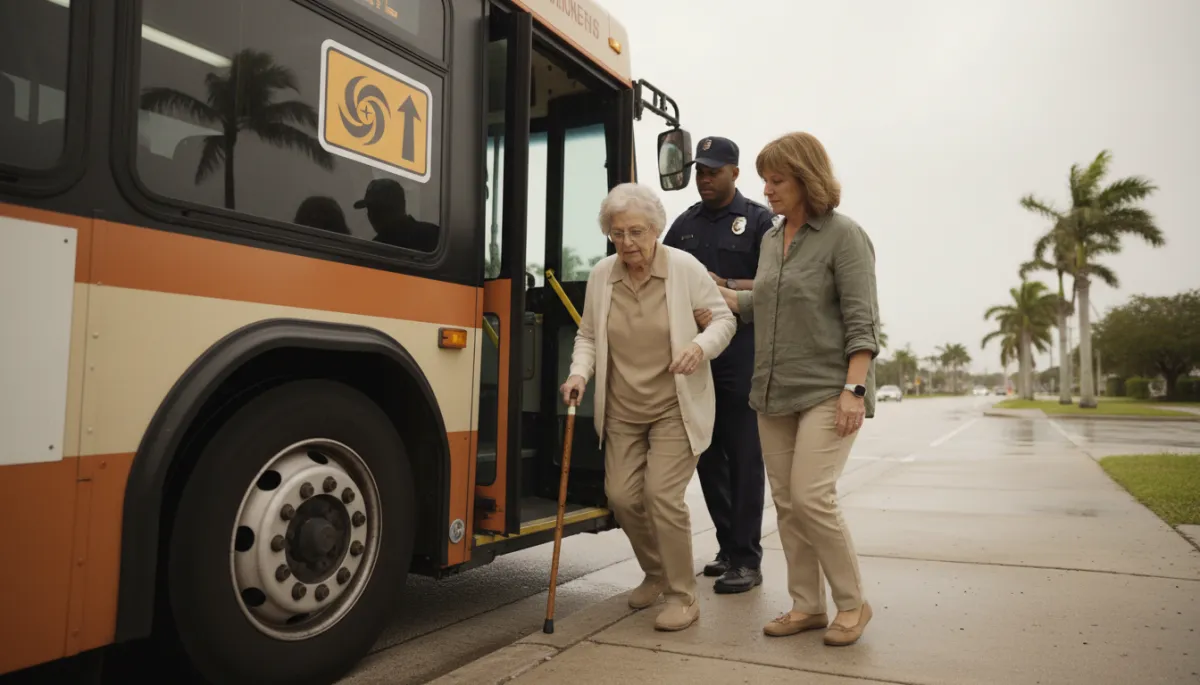
Early registration for special needs services makes evacuation smoother and far less stressful for seniors during hurricane season.
Step 5: Evacuation Planning for Seniors – Turning Fear into a Script
Every strong evacuation plan for seniors in Pasco and Pinellas starts the same way: with a decision made days, not hours, before landfall. Federal and state guidance, from the CDC to Ready.gov, repeats the same lesson: heed evacuation orders, understand the difference between a Hurricane Watch and a Hurricane Warning, and never underestimate storm surge. But for older adults, those words need to be translated into a simple, human script that supports clear hurricane evacuation planning for elderly parents:
“When the county issues an evacuation order for our zone, we leave.” No debates, no last-minute bargaining. The decision is made in advance, when everyone is calm.
“Here’s where we go.” A daughter’s home in Land O’ Lakes, a son’s apartment in Clearwater, a designated shelter outside the surge zone; write down the exact address and phone number so your hurricane evacuation checklist for seniors is crystal clear.
“Here’s who drives or picks you up.” If family can’t, note the bus route, special transportation service, or neighbor who has agreed to help with senior evacuation planning.
📌 Key Takeaway: The more specific your Evacuation Planning for Seniors and hurricane safety plan for aging parents, the less room there is for fear to fill in the blanks when the wind begins to rise.
Step 6: After the Storm – Quiet Checks and Hidden Dangers
The story of hurricane season doesn’t end when the eye passes. For aging parents, the days after a storm can be just as dangerous as the hours before landfall. The CDC warns about contaminated floodwaters, downed power lines, and the silent threat of carbon monoxide from generators run too close to doors or windows. Older adults, especially those living alone, may be tempted to “just check the yard” or wade through standing water to reach a neighbor. This is where your follow-up chapter in hurricane preparedness for seniors begins.
Plan, in advance, for who will call or visit once the storm passes. Make sure your parents know to use flashlights instead of candles, throw out spoiled food, and keep a battery-powered radio or charged phone handy for official updates. And remember that emotional aftershocks are real: many older adults feel shaken, disoriented, or deeply tired after evacuating. A calm voice on the other end of the line, yours, can be as important as any supply in the kit and is a vital part of post-hurricane care for elderly loved ones.
Bringing It All Together: Writing a Safer Story for the Next Storm
Each year, the Atlantic season writes new headlines for Florida, but families in Pasco and Pinellas have the power to shape their own chapters. Elderly Safety is not a single task; it’s an ongoing story made up of small, practical decisions, checking evacuation zones, assembling a Florida Hurricane Checklist that honors medical needs, registering for special assistance, and rehearsing Evacuation Planning for Seniors before the first advisory appears on TV. Local county tools, from Pasco’s Evacuation Zone Finder to Pinellas’s Ready Pinellas app and special needs programs, are there to support you, but they work best when woven into your family’s routine long before the skies darken.
One day, another storm will spin toward the Gulf, and another cone will appear on the screen. When that happens, imagine a different kind of late-night phone call, not frantic, but steady. Your mother says, “The bag is by the door. I know my zone. I’m ready when you are.” That’s the story this hurricane preparedness checklist for seniors is trying to help you write, a story where the people who raised you can face hurricane season with dignity, safety, and the deep comfort of knowing their family has a plan.
