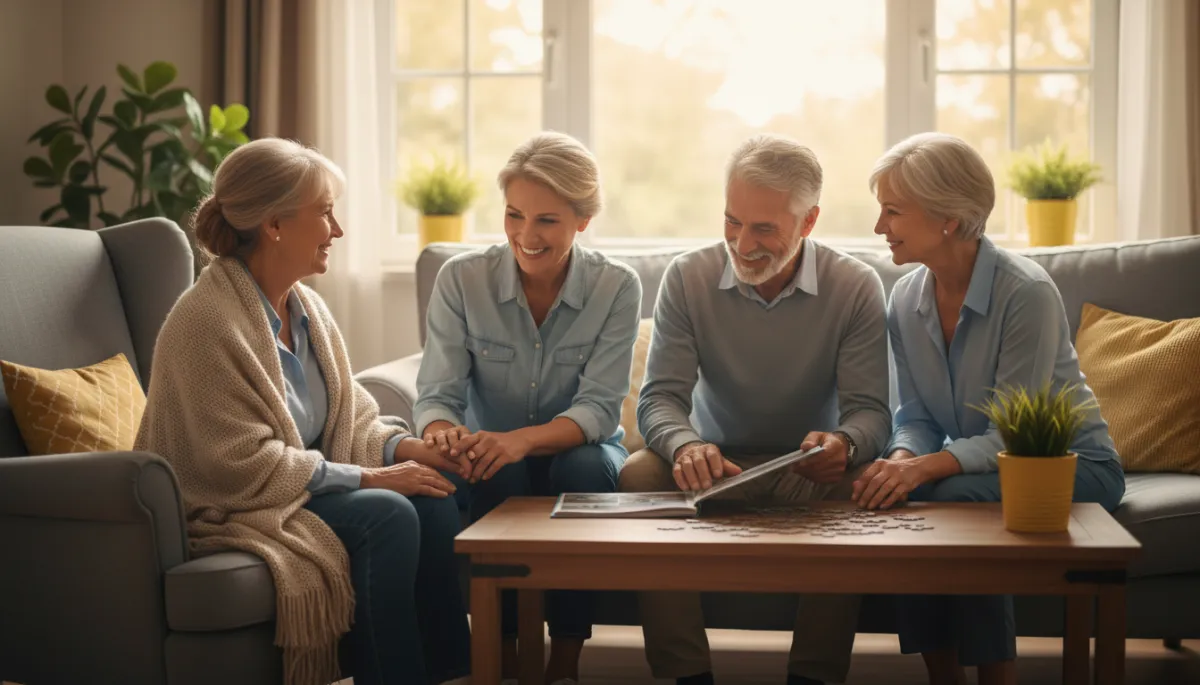
7 Signs Your Parent May Need In-Home Senior Care
Senior Care, senior home care Hudson FL, in-home care Pasco County
7 Signs Your Parent May Need In-Home Senior Care
Noticing your parent struggle at home can be heartbreaking. Here are seven clear signs it may be time to consider gentle, in-home support, so they can stay safe, comfortable, and independent in the place they love.
Facing the Realization That Mom or Dad Needs Help
Realizing that a parent may no longer be completely safe on their own is an emotional moment. You might feel worried, guilty, or even a little overwhelmed, especially if you live nearby in Hudson or elsewhere in Pasco County and are trying to balance your own family, work, and responsibilities. These feelings are normal and they come from a place of love.
The good news is that needing help does not mean your parent has to lose their independence or leave their home. Senior home care Hudson FL services, like those offered by Live at Home Senior Care, are designed to provide just the right amount of support, so your loved one can continue living where they feel most comfortable, with dignity and respect.
📌 Key Takeaway: Asking for in-home support is not giving up on your parent. It is one of the most loving and practical ways to help them stay in the home they cherish.
1. Struggling With Bathing, Dressing, or Personal Hygiene
One of the earliest signs a parent needs home care is difficulty with everyday personal tasks. You may notice your mom wearing the same clothes several days in a row, your dad skipping showers, or changes in grooming such as unwashed hair, body odor, or unshaven facial hair. Often, this is not about “not caring.” It can be about pain, fatigue, balance issues, or fear of falling in the bathroom.
Compassionate personal care for seniors Florida can make these private tasks safer and more comfortable. A trained caregiver can assist with bathing, dressing, toileting, and grooming in a way that protects your parent’s modesty and independence. At Live at Home Senior Care, caregivers move at your loved one’s pace, offering a steady arm, a respectful presence, and gentle encouragement rather than rushing or taking over.
💡 Pro Tip: If you notice small changes in hygiene, start a calm, honest conversation early. It is easier to introduce help gradually than to wait for a crisis.
2. Forgetting Meals or Noticeable Weight Loss
Has your parent started skipping meals, relying on snacks, or saying they “just are not hungry”? You might notice expired food in the fridge, an empty pantry, or a parent who has lost weight without trying. Sometimes, seniors forget to eat, feel too tired to cook, or find grocery shopping overwhelming in the Florida heat and humidity common in Pasco County.
In-home caregivers can help with meal planning, grocery shopping, and preparing simple, nutritious meals that fit your parent’s preferences and dietary needs. Sitting down to eat together also turns mealtime into a social moment rather than a chore. This kind of support helps maintain strength, energy, and overall health, while giving you peace of mind that your loved one is not going without food or proper hydration.

Shared meals with a caregiver can restore nutrition and bring back daily joy.
3. Increased Fall Risk or Trouble Getting Around the House
You may notice your parent holding onto furniture as they walk, shuffling their feet, or avoiding stairs and certain rooms. Perhaps they hesitate to get in and out of bed or a favorite chair, or you see new bruises they cannot fully explain. These are all warning signs of increased fall risk, which can be especially concerning on tile floors or in older Hudson FL homes not designed with aging in mind.
In-home caregivers are trained in safe mobility and fall prevention. They can offer a supportive arm, assist with transfers, and help your loved one use walkers or canes correctly. With RN oversight, care plans can also include recommendations for simple home modifications, such as better lighting, grab bars, or removing loose rugs, to create a safer living environment while allowing your parent to keep moving independently as much as possible.
📌 Key Takeaway: Unexplained bruises, “near misses,” or a sudden fear of walking alone are all reasons to look into extra support at home.
4. Isolation, Loneliness, or Withdrawing From Activities
If your once-social parent is now spending most days alone, turning down invitations, or no longer attending church, clubs, or favorite outings around Pasco County, loneliness may be taking a toll. You might hear them say, “It is just too hard to get out,” or notice they seem sad, anxious, or less interested in hobbies they once loved. Social isolation can impact both emotional and physical health, especially for older adults living alone.
Companion care is a gentle, effective way to address this. A caregiver can provide conversation, play cards, look through photo albums, go for short walks, or drive your parent to local appointments, community centers, or the waterfront. Having a regular visitor who truly listens and connects can ease loneliness, reduce anxiety, and help your loved one feel more like themselves again.
“Sometimes what makes the biggest difference is not a task, but the simple comfort of knowing someone is coming by just for you.”
5. Missed Medications or Confusion About Prescriptions
Many seniors take several medications each day. You may find pills scattered on the counter, full bottles that should be empty, or hear your parent say they “cannot remember” if they took their morning dose. Missed or doubled medications can lead to dizziness, confusion, or even serious medical complications, especially for heart conditions, diabetes, or blood pressure issues common among older adults in Florida.
With in-home care Pasco County families can rely on caregivers to provide medication reminders, observe for side effects, and keep an eye on changes in how your parent is feeling. RN oversight adds another layer of safety, helping ensure medication schedules are followed correctly and communicating concerns to you and your parent’s healthcare providers when needed. This kind of support can help prevent avoidable hospital visits and keep your loved one stable at home.

Gentle medication support and RN oversight help seniors stay safe and stable at home.
6. A Home That Is Becoming Messy or Unsafe
Another common sign is a noticeable change in the condition of the home. Perhaps the sink is full of dishes, laundry is piling up, trash is not taken out, or you see mail and bills stacked in unopened piles. You might notice tripping hazards, such as cords or clutter on the floor, or bathrooms that no longer look clean. For many seniors, these tasks simply become physically exhausting or overwhelming over time.
In-home caregivers can assist with light housekeeping, laundry, dishes, and simple home organization. They can also help keep pathways clear, check that appliances are turned off, and make sure the environment is safe and comfortable. When the home is tidy and hazards are reduced, your parent can move around more confidently and you can feel better about them living independently.
💡 Pro Tip: Pay attention to changes in the mail pile, the fridge, and the bathroom. These small details often tell you more than a quick “I am fine” on the phone.
7. Recent Falls, Hospitalizations, or Close Calls
A fall, emergency room visit, or hospital stay is often a major turning point for families. Even if your parent insists they are “fine now,” you may notice they are weaker, more tired, or a bit more confused than before. Going home after a hospital stay without extra support can be risky, especially if new medications, instructions, or mobility challenges are involved.
Post-hospital in-home care offers a bridge between hospital and full independence. Caregivers can assist with personal care, mobility, follow-up appointments, and monitoring for changes. With RN oversight, care can be adjusted as your parent recovers, helping reduce the chance of another hospitalization. For many Hudson FL and Pasco County families, this support brings tremendous peace of mind during a vulnerable time.
💡 Gentle Reminder: Not every sign has to be “severe” before you reach out for help. Early support often prevents crises and helps your parent stay independent longer.
How Live at Home Senior Care Supports Families in Hudson and Pasco County
If you recognize one or more of these signs your parent needs home care, you are not alone and you do not have to figure everything out by yourself. Live at Home Senior Care provides warm, dependable senior home care Hudson FL families can trust, with services tailored to your loved one’s unique needs and personality.
Personal care: Help with bathing, dressing, toileting, grooming, and safe hygiene routines.
Companion care: Conversation, activities, outings, and emotional support to ease loneliness and isolation.
Safe mobility and fall prevention: Assistance moving around the home, transferring, and creating safer surroundings.
RN oversight: Professional guidance to monitor health changes, coordinate care, and support medication routines.

Local caregivers help seniors stay active, connected, and safe in their own community.
Taking the Next Step: Compassionate In-Home Care in Hudson FL and Pasco County
It is never easy to admit that a parent needs more help. But reaching out for support is an act of love, not failure. Thoughtful in-home care Pasco County services can protect your parent’s safety and independence while easing the stress on you and your family. Even a few hours of care each week can make a meaningful difference in how your loved one feels day to day.
Live at Home Senior Care is proud to serve seniors and families in Hudson FL and surrounding Pasco County communities with warm, dignified support. If you have started to notice changes in your parent’s health, mood, or home environment, we invite you to talk with us about your concerns. We will listen, answer your questions, and help you explore options that feel right for your family and your budget.
To learn more about senior home care Hudson FL families can rely on, or to schedule a no-obligation conversation about personal care for seniors Florida, contact Live at Home Senior Care today. Together, we can help your parent stay safe, comfortable, and truly at home in the place they love.
Share This Post
If you found this helpful, please share it with a friend or family member who may be worrying about an aging parent. Your share could be the gentle nudge that helps someone else find the support they need.
